11 Jun 2026
Blending Real-Time Interactions with Tiered Rewards in Mobile Gaming Development
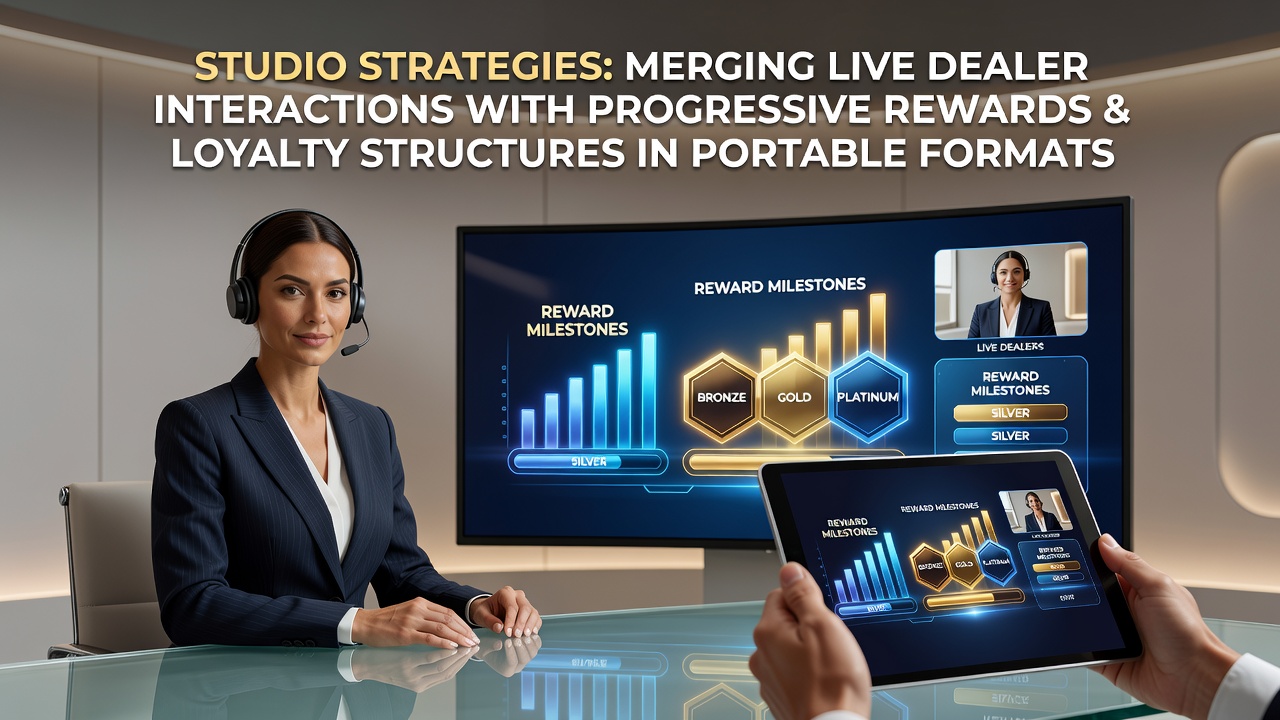
Game development teams have refined methods for embedding live dealer sessions directly into mobile applications while layering progressive reward systems and loyalty frameworks onto the same platforms, and these efforts have produced compact formats that maintain session continuity across devices. Research from multiple industry sources shows developers rely on synchronized APIs to connect video streams from dealer studios with player accounts that track points, tiers, and unlockable bonuses in real time.
Core Integration Methods
Studios begin by establishing unified data pipelines that pull live dealer outcomes into the same database used for loyalty calculations, and this approach allows reward multipliers to adjust automatically based on table results without requiring players to switch applications. Data indicates that mobile frameworks built on WebRTC and cloud-based session management keep latency below thresholds that disrupt engagement, while loyalty algorithms apply progressive scaling so that consecutive hands or spins accumulate tier status faster during live segments.
Teams often employ modular code structures that separate dealer stream handling from reward logic, yet these modules communicate through secure tokens that preserve player anonymity until verification steps complete. Observers note that such separation reduces update cycles when regulators in different regions adjust compliance rules, and it supports rapid deployment of new loyalty tiers without touching the live video components.
Progressive Reward Mechanics on Portable Devices
Progressive structures typically link jackpot contributions to both live dealer wagers and standard slot spins within the same application, and loyalty programs convert accumulated points into entry tickets for shared prize pools that grow across global player bases. Figures from development reports reveal that mobile users who participate in live segments reach higher loyalty tiers 30 percent faster than those limited to automated games, because real-time interactions trigger additional point multipliers during peak hours.
Developers incorporate conditional triggers that activate bonus rounds only after loyalty thresholds are met, and these rounds may feature dealer-hosted events streamed directly to the device screen. The architecture ensures that progress bars and tier indicators remain visible in minimized overlays so players retain awareness of their standing without interrupting the dealer feed.
Regional Implementation Patterns
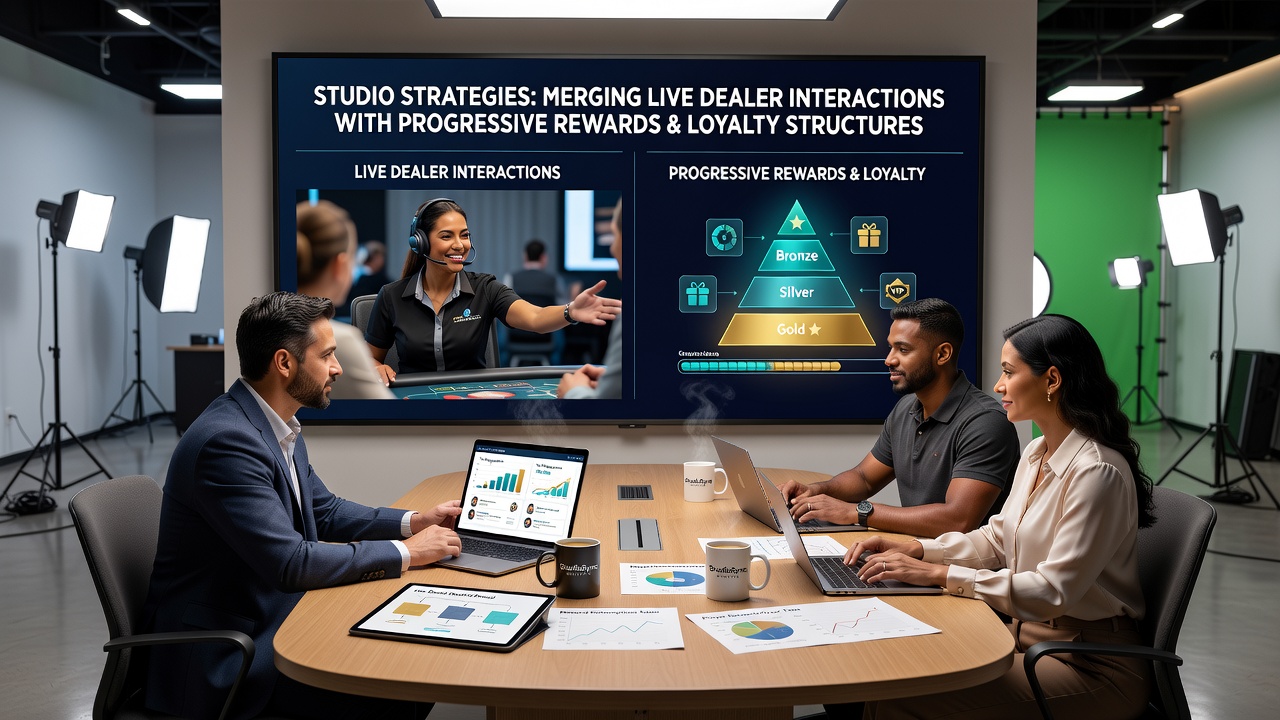
Operators in North America have adopted frameworks that align with standards set by state gaming authorities, while Australian and Canadian markets test similar integrations under their respective licensing conditions. A report issued by the American Gaming Association outlines how loyalty data collected through mobile sessions feeds into centralized compliance systems that monitor play patterns across jurisdictions. Meanwhile, studies hosted by the Canadian Centre on Substance Use and Addiction examine behavioral indicators within these hybrid environments to support evidence-based policy adjustments scheduled for mid-2026.
Technical teams coordinate with platform providers to ensure that push notifications about loyalty milestones reach users even when applications run in background mode, and this capability sustains engagement during commutes or short breaks. Cross-platform testing confirms that iOS and Android builds maintain identical reward calculations, which prevents discrepancies that could affect player trust.
Challenges and Technical Adjustments
Bandwidth variations across mobile networks require adaptive streaming protocols that lower video quality before dropping loyalty tracking features, and developers prioritize the latter because interrupted reward progress creates greater user friction. Security protocols encrypt both dealer communications and point tallies using the same key exchange methods, which simplifies certification processes when new portable hardware enters the market.
Updates rolled out in early 2026 introduced refined algorithms that detect unusual session lengths and apply temporary loyalty pauses, a measure that aligns with broader responsible gaming initiatives reported by European trade associations. These adjustments occur server-side so existing mobile clients receive them without forced reinstallations.
Conclusion
Development studios continue to refine the synchronization of live dealer feeds with progressive loyalty systems in portable formats, and the resulting applications deliver consistent reward tracking alongside interactive table experiences. Ongoing work through 2026 focuses on expanding these capabilities to emerging device types while maintaining compatibility with diverse regulatory environments across continents.