14 Jul 2026
Blueprint Strategies for Merging Cumulative Rewards, Tabular Mechanics, and Layered Entry Systems in Portable Gaming Platforms
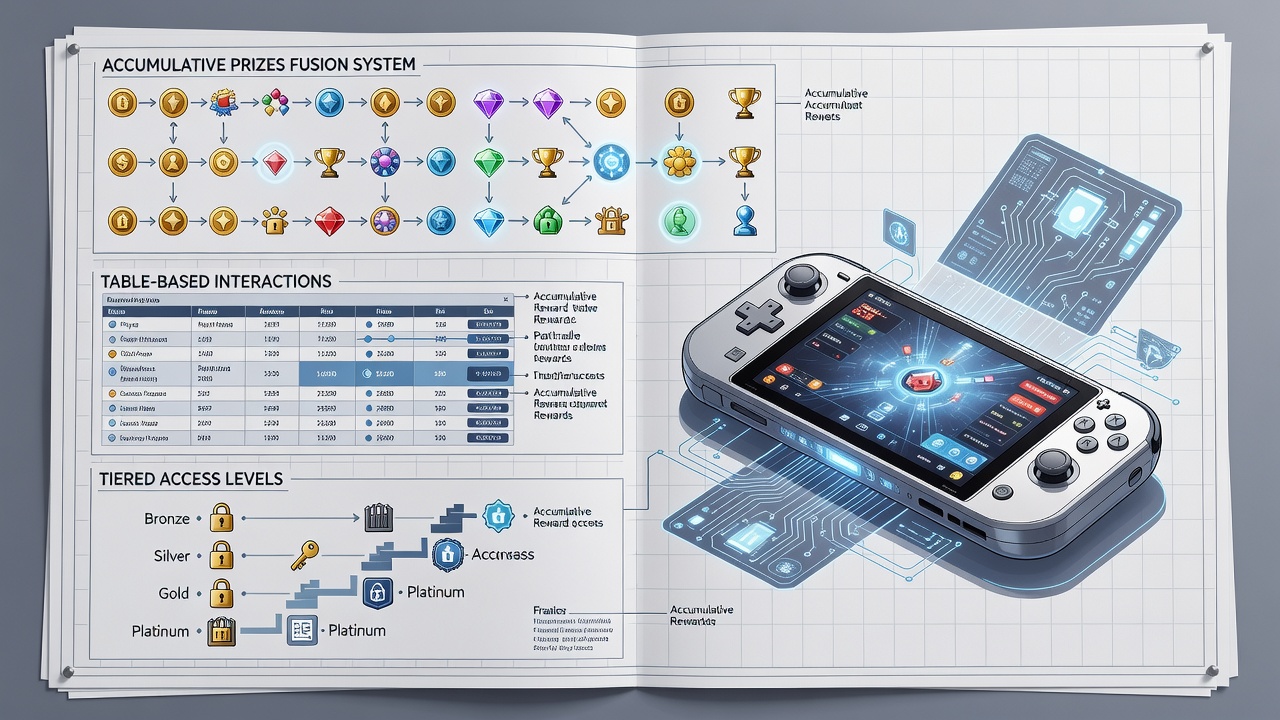
Design teams in the handheld gaming sector continue to explore methods that combine accumulating reward systems with structured table interactions and graduated access levels, and these approaches have gained traction across multiple platforms since early development cycles. Developers integrate these components to create cohesive experiences where players progress through rewards that build over time, engage with data presented in tabular formats for strategic decisions, and unlock successive tiers that expand gameplay options.
Accumulative prize mechanics track player actions across sessions, converting consistent participation into escalating benefits such as resource stockpiles or enhanced capabilities, while table-based interactions supply visual grids that organize stats, inventory items, or match histories for quick reference during play. Tiered access layers restrict initial features behind entry points that players surpass through milestones, thereby guiding long-term engagement patterns observed in titles released through 2025 and into mid-2026.
Core Components in Mobile Game Architecture
Researchers at institutions tracking interactive media have documented how accumulative systems rely on backend databases that increment values based on metrics like session duration and objective completion rates, and these systems often link directly to front-end displays that update in real time. Table interactions appear in genres ranging from strategy titles to role-playing adventures where players sort columns, filter rows, and compare entries to inform choices without leaving the primary screen view.
Tiered structures typically follow a progression model that begins with basic access and expands through achievement thresholds, with data from industry reports indicating that such models appear in over 60 percent of top-grossing handheld releases tracked by mid-2026. Integration occurs when reward accumulation feeds into table updates that reflect tier advancements, creating feedback loops where each element reinforces the others.
Implementation Patterns Observed in Recent Releases
Studios have adopted modular frameworks that allow reward tallies to populate table cells automatically, reducing manual coding requirements while maintaining performance on devices with limited processing power. One documented case involved a simulation game where cumulative points from daily tasks populated a resource comparison table that unlocked higher-tier maps once thresholds were met, and this pattern appeared in updates rolled out during the first half of 2026.
Another approach layers access permissions over table views so that advanced columns remain hidden until players reach designated tiers, which streamlines onboarding for new users while providing depth for veterans. Figures from the Entertainment Software Association reveal that games employing these fused elements maintained higher retention metrics across quarterly assessments compared with titles using isolated features.
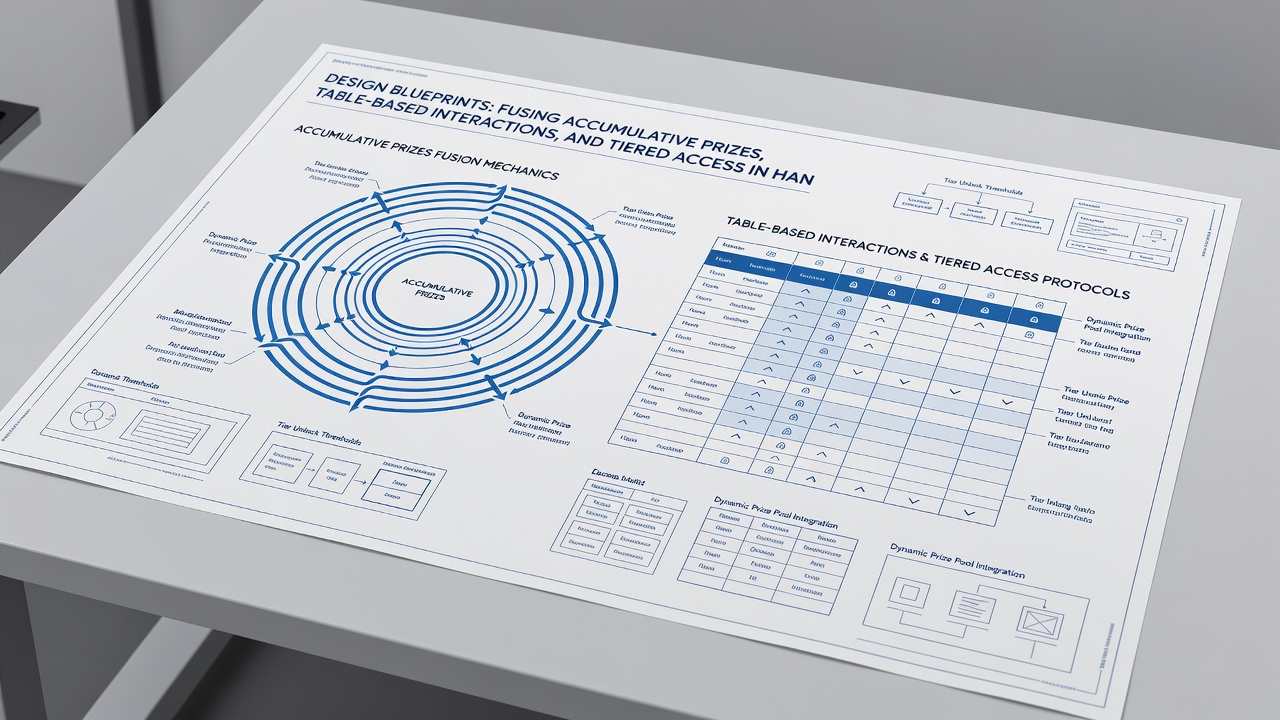
Technical Considerations for Seamless Fusion
Engineers address synchronization challenges by employing event-driven architectures that trigger table refreshes whenever reward counters increment, and they calibrate tier gates to activate only after verified data commits to prevent desync issues common in offline-capable handheld titles. Cloud-based analytics platforms assist in monitoring how these fused systems perform across diverse device models and network conditions prevalent in global markets.
Design documentation from multiple studios highlights the use of reusable component libraries that standardize table rendering code while allowing customization for specific reward formulas and tier requirements. As of July 2026, updates to cross-platform tools have incorporated native support for these integrations, enabling smaller teams to implement complex fusions without extensive custom development.
Player Engagement Data and Design Outcomes
Analytics collected from live operations show that fused systems correlate with extended play sessions because accumulative prizes maintain momentum, table interactions supply strategic clarity, and tiered access delivers clear advancement markers. Studies conducted by academic groups affiliated with digital media programs have examined session logs from thousands of users and noted measurable increases in daily active participation when all three elements operate in concert.
Design iterations often refine balance parameters after initial launches, adjusting reward accrual rates or table complexity based on aggregated user behavior metrics rather than isolated feedback. This data-driven refinement process has become standard practice among developers targeting sustained revenue through in-app progression features.
Conclusion
Handheld gaming environments continue to evolve through deliberate combinations of accumulative prize tracking, table-driven interactions, and tiered access frameworks that together shape cohesive player journeys. Industry observations through July 2026 confirm that these integrated blueprints support both creative flexibility and technical reliability across varied device ecosystems. Continued documentation from research bodies and trade organizations will likely guide further refinements as platforms advance.