19 May 2026
Crafting Immersive Experiences: The Fusion of Dealer Dynamics with Reward Mechanisms in Mobile Gaming Ecosystems
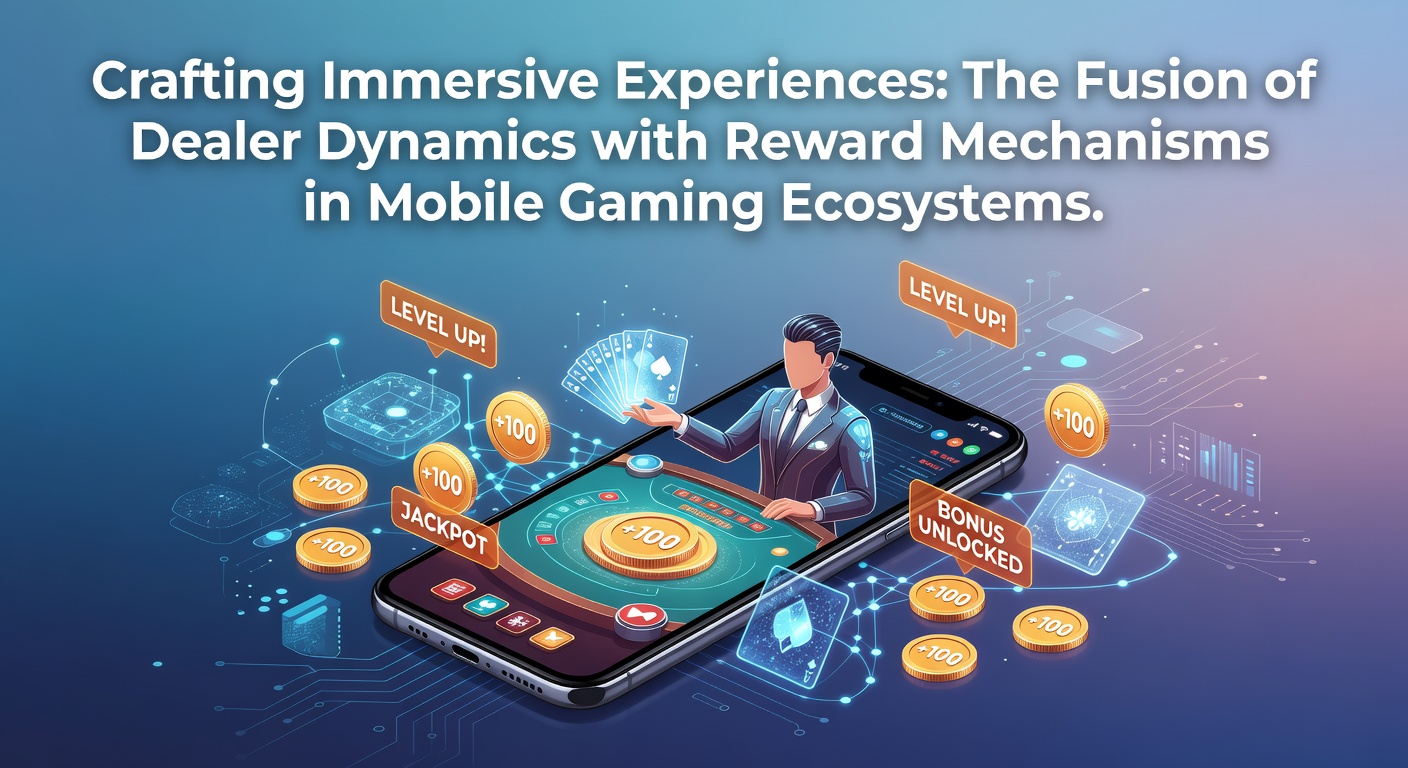
Developers have spent years refining ways to blend real-time dealer interactions with layered reward systems inside mobile platforms, creating environments where players encounter fluid transitions between live table action and personalized incentive structures. This approach draws from established patterns in both traditional casino operations and digital engagement models, allowing seamless shifts that keep sessions active across different device types.
Dealer Dynamics in Digital Formats
Live dealer features have moved beyond simple video streams to incorporate adaptive elements that respond to player behavior patterns, with systems tracking choices during rounds and adjusting subsequent interactions accordingly. Researchers at institutions like the University of Nevada's gaming studies program have documented how these mechanics influence retention rates through consistent presence of human elements on screen. Observers note that integration often occurs via low-latency protocols that maintain synchronization between dealer actions and mobile inputs, reducing disconnects that once disrupted flow.
Multiple providers now embed dealer avatars or real-time hosts into slot-style interfaces, where the same session can pivot from card dealing sequences to spin mechanics without requiring separate logins or menu navigations. Data from industry reports indicates this continuity contributes to extended play durations, particularly when rewards activate immediately after dealer-determined outcomes.
Layering Reward Mechanisms
Reward structures in these ecosystems typically combine progressive multipliers, tiered loyalty points, and conditional bonuses that trigger based on dealer round results or cumulative mobile activity. Systems designed around this fusion allow points earned during live segments to convert directly into free spins or enhanced table limits, creating unified progression paths rather than isolated features. Figures from the American Gaming Association show increasing adoption of such combined models across North American markets as of early 2026.
Integration Patterns Emerging in 2026
By May 2026 developers showcased updated frameworks at regional expos that emphasized cross-platform reward syncing, enabling users to carry progress from dealer sessions on tablets directly into mobile-exclusive challenges. These updates often include algorithmic adjustments that scale reward frequency according to engagement metrics gathered during live interactions. Experts have observed that such scaling prevents abrupt drops in activity while preserving operational fairness across different player segments.
Case examples include platforms where a dealer-hosted blackjack hand unlocks bonus rounds in an accompanying mobile slot title, with the reward value calibrated to the hand outcome. This method relies on backend APIs that process dealer data streams and push notifications without interrupting the primary interface flow.
Technical Foundations Supporting the Fusion
Cloud-based rendering and edge computing have become central to maintaining dealer presence on mobile devices while simultaneously managing reward calculations in real time. These technologies handle variable network conditions by prioritizing video stability during critical dealer moments and queuing reward animations for delivery once connectivity stabilizes. Studies compiled by the Interactive Games and Entertainment Association highlight how these priorities correlate with higher completion rates for multi-stage challenges.
Security protocols now routinely encrypt both dealer communication channels and reward ledger updates within single sessions, addressing concerns that previously separated live and reward components into distinct applications. Integration testing across devices reveals consistent performance when frameworks follow unified data schemas rather than patchwork solutions.
Player Pathway Examples
One documented pathway begins with entry into a mobile live dealer lobby, where initial wagers contribute to a shared reward pool that later distributes through personalized bonus offers. Subsequent spins or table decisions then feed into loyalty tiers that unlock dealer-exclusive tables or accelerated reward rates. Those who've examined user data patterns report that such pathways increase cross-feature exploration compared with standalone implementations.
Regional variations appear in how these pathways adapt to local preferences, with some markets favoring quicker reward cycles tied to short dealer rounds while others extend progression across multiple sessions. The underlying architecture remains adaptable through configurable parameters that operators adjust based on performance analytics.
Looking Ahead
Continued refinement focuses on predictive elements that anticipate reward timing based on dealer interaction history, potentially reducing perceived latency in mobile environments. Partnerships between software studios and hardware manufacturers have already produced optimized chipsets that better support simultaneous video decoding and reward processing tasks. Evidence from pilot programs suggests these hardware alignments further stabilize the immersive qualities users encounter during extended play periods.
Conclusion
The combination of dealer dynamics and reward mechanisms continues to shape mobile gaming through technical convergence and structured progression systems. Data from multiple monitoring organizations confirms steady expansion of these fused models, with ongoing adjustments driven by performance metrics and device capabilities. As frameworks mature, the emphasis remains on maintaining consistent session continuity across live and reward components within single ecosystems.