2 Jun 2026
Developer Frameworks Linking Elite Tiers to Speedy Transactions Across Live Mobile Reel Platforms
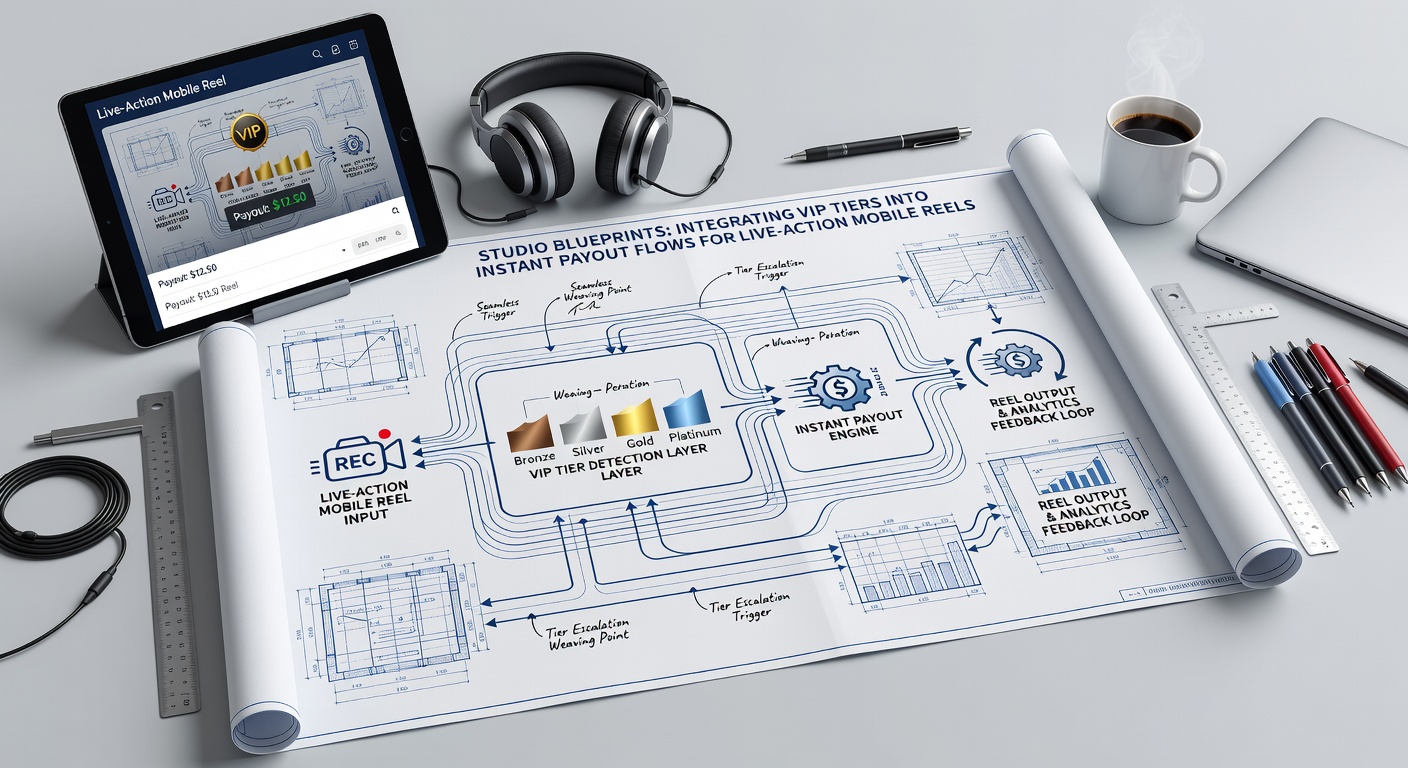
Game studios have developed detailed technical blueprints that connect premium membership structures with immediate disbursement mechanisms in live-action mobile reel environments, and these frameworks combine loyalty tracking modules, real-time transaction processors, and interactive dealer interfaces into unified mobile applications. Developers integrate tiered reward systems directly into the backend architecture so that higher membership levels trigger automated payout accelerations without requiring separate user requests. Data from industry reports shows that such synchronizations reduce processing delays by embedding API calls between player accounts and banking gateways during active gameplay sessions.
Architects at major providers begin the design process by mapping VIP progression paths onto existing reel mechanics, which allows points accumulated from live dealer interactions to flow straight into eligibility checks for faster withdrawals. These blueprints often include conditional logic that evaluates a player's current tier status before initiating any reward release, and this approach ensures compliance with regional licensing requirements while maintaining seamless mobile performance. Observers note that the process relies on secure token exchanges between game servers and financial processors to verify identities in milliseconds.
Core Components in the Integration Process
Technical teams assemble several key elements when constructing these systems, including dynamic loyalty databases that update in real time, payment orchestration layers capable of handling multiple currencies, and event-driven triggers tied to reel spins or dealer rounds. Research indicates that successful implementations use microservices architecture to isolate VIP calculations from core game engines, which prevents latency spikes during high-traffic periods. One example involves a provider that embedded tier-based multipliers into progressive jackpot pools, allowing elite members to access accelerated claim pathways through the same mobile interface used for live betting.
Additional modules handle fraud detection by cross-referencing transaction histories with tier advancement data, and this step occurs before any funds move. Studies from gaming technology conferences reveal that these checks incorporate machine learning models trained on historical player behavior across different regions. The models flag anomalies while permitting legitimate high-volume activity to proceed without interruption.
Technical Synchronization with Live Dealer Elements
Live-action components require particular attention during blueprint creation because dealer interactions generate continuous data streams that must align with payout flows. Engineers route signals from video feeds and betting interfaces directly into the tier verification system, and this routing enables instant recognition of qualifying actions such as high-stakes wagers or consecutive wins. Providers have documented cases where VIP status adjustments happen mid-session, unlocking reduced withdrawal minimums or priority processing queues for mobile users.
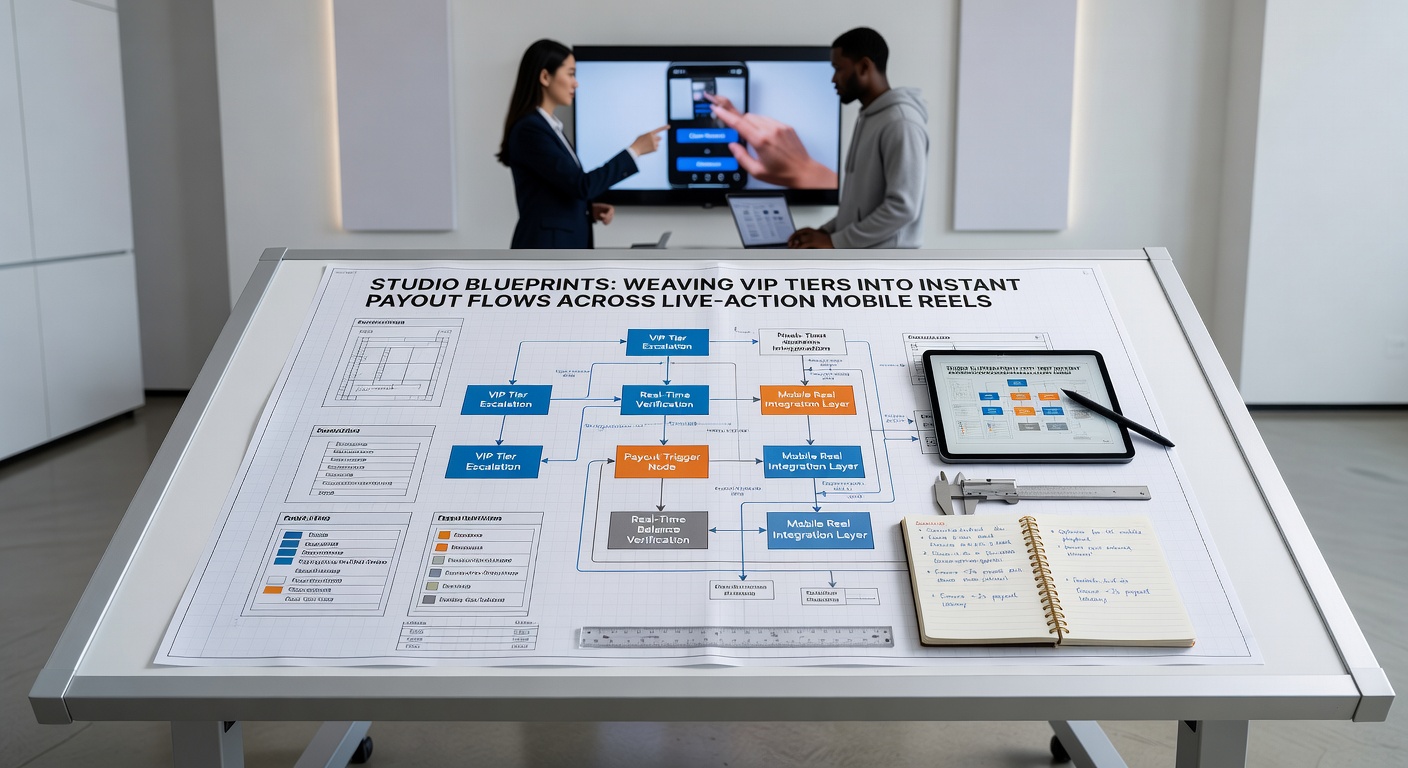
According to findings presented by the New Jersey Division of Gaming Enforcement, mobile platforms that synchronize these features report higher session retention rates when VIP benefits activate without leaving the live environment. Developers achieve this through websocket connections that push tier updates and payout confirmations simultaneously to the user's device. The architecture supports both iOS adn Android environments by maintaining consistent data formats across operating systems.
Regional Adaptations and Implementation Patterns
Studios adjust their blueprints based on jurisdiction-specific rules, incorporating variations in tax reporting and player verification standards. In markets with strict payout timelines, the designs emphasize parallel processing paths that separate standard and VIP transactions to meet regulatory deadlines. Figures from the Australian Gambling Research Centre show that integrated systems can handle tier-specific bonuses alongside base game outcomes without creating bottlenecks in the transaction pipeline.
Case documentation from several providers illustrates how testing phases simulate peak loads with thousands of concurrent live sessions, and results guide refinements to the payout orchestration logic. These tests verify that VIP tier data remains synchronized even when network conditions fluctuate on mobile connections.
Conclusion
Overall, the blueprints created by gaming studios establish reliable pathways for embedding VIP structures within instant payout mechanisms for live mobile reels, and they achieve this through layered software designs that prioritize speed, security, and regulatory alignment. Ongoing refinements continue to incorporate feedback from operational data across multiple platforms.