4 Jun 2026
Developer Methods for Synchronizing Reward Programs with Live Dealer Sessions adn Mobile Payment Processing
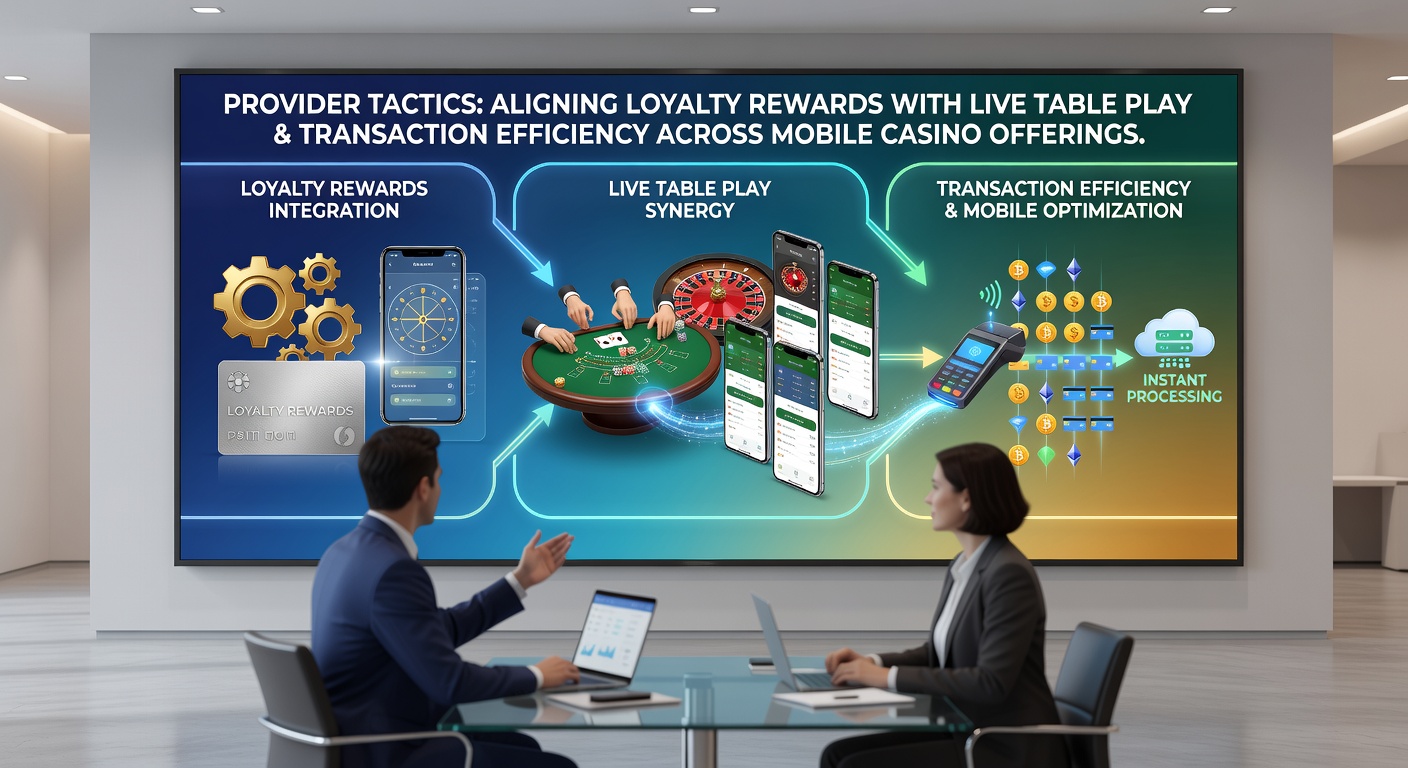
Game providers coordinate loyalty frameworks with live table mechanics through application programming interfaces that track real-time player actions across mobile devices, and these systems award points based on wager volume during dealer-led rounds while maintaining separate ledgers for bonus redemptions. Developers implement tiered structures where participation in live blackjack or roulette sessions accelerates progression through membership levels, and transaction modules handle deposits plus withdrawals within the same session to reduce friction between gameplay and reward access.
Core Integration Techniques Across Platforms
Providers connect loyalty databases directly to live streaming servers so that every bet placed at a virtual table updates point balances without requiring players to switch applications, and this linkage relies on standardized data protocols that support multiple operating systems. Mobile applications display loyalty status overlays during table play, and operators configure these displays to highlight upcoming rewards tied to specific game types such as baccarat or poker variants. Transaction efficiency improves when payment gateways process reward claims in parallel with ongoing table sessions, allowing users to convert points into credits while cards remain in play.
Real-Time Tracking and Point Allocation
Systems record each live table decision as a timestamped event that feeds into loyalty algorithms, and these algorithms calculate multipliers based on game pace plus stake size. Research from the University of Nevada, Reno indicates that synchronized tracking increases session duration by aligning visible progress bars with dealer interactions. Providers test these features in controlled environments before full deployment, and data logs show consistent point accrual across iOS and Android builds when network latency stays below set thresholds.
Live table environments present unique challenges because dealer decisions occur at irregular intervals, yet loyalty engines adjust accrual rates dynamically to match average rounds per minute. Mobile interfaces incorporate touch-based confirmations for reward redemptions, and backend processors validate these actions against current table balances to prevent discrepancies. Observers note that such adjustments keep reward visibility high without interrupting the flow of card dealing or chip placement.
Transaction Systems Supporting Reward Access
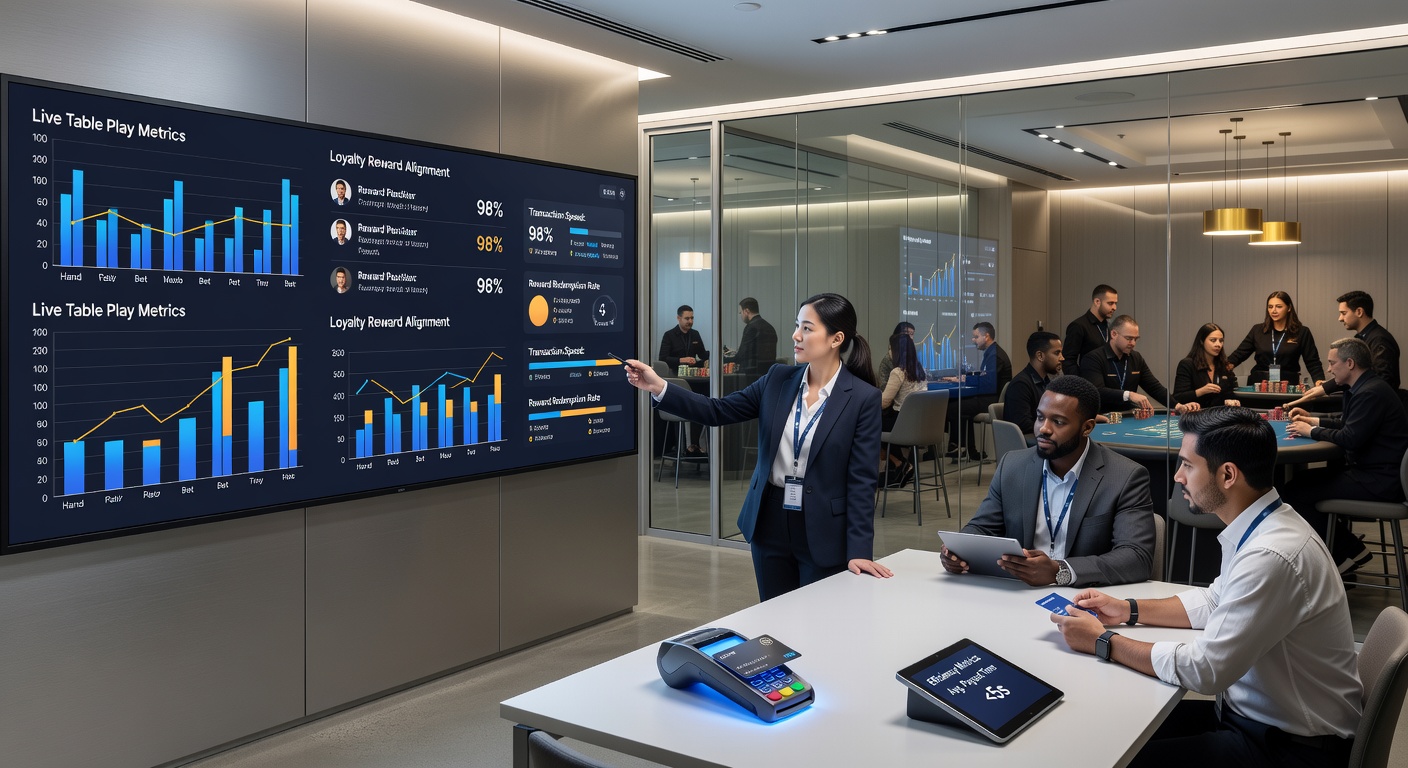
Payment processors embed loyalty verification steps into withdrawal sequences, and this embedding allows eligible players to apply points toward fee reductions or instant credit conversions. According to figures from the American Gaming Association, platforms that link transaction speed with loyalty status report higher repeat engagement rates across tablet and smartphone users. Developers optimize these connections through cached authentication tokens that persist across live sessions, reducing the steps needed to confirm eligibility before funds move.
Multiple providers deploy microservices that separate live game logic from financial modules, and this separation permits independent scaling when player volumes spike during peak hours. Mobile wallets integrated with loyalty accounts enable one-tap redemptions that appear as balance adjustments within seconds of table outcomes. Those who manage such architectures emphasize the importance of audit trails that log every point-to-transaction conversion for compliance across different licensing regions.
Examples from Current Implementations
One developer deployed a unified dashboard that merges live table statistics with loyalty milestones, and users access this view through the same menu used for deposits. Another firm introduced progressive multipliers that activate after a set number of live roulette spins, and the system applies these multipliers automatically once transaction history confirms qualifying activity. Reports from the Canadian Gaming Association highlight similar patterns where cross-platform consistency in reward delivery correlates with sustained mobile usage patterns through mid-2026.
Additional cases show providers using push notifications that reference both recent table results and pending loyalty benefits, and these messages include direct links to transaction summaries. Testing cycles in June 2026 environments revealed that combining live interaction data with payment confirmations lowered support queries related to missing points. The approach keeps reward visibility tied to actual table participation rather than separate promotional calendars.
Conclusion
Providers continue refining these alignments by updating interface elements and backend connections in response to usage metrics gathered from live table environments. The combination of real-time point tracking with efficient transaction handling supports seamless movement between gameplay and reward utilization across mobile formats. Data from industry reports and academic sources shows measurable patterns in how these tactics influence player retention without altering core game rules or regulatory requirements.