6 Aug 2026
Mobile Studio Breakthroughs: Integrating Payment Speed, Reward Mechanisms, and Status Progression in Compact Casino Formats
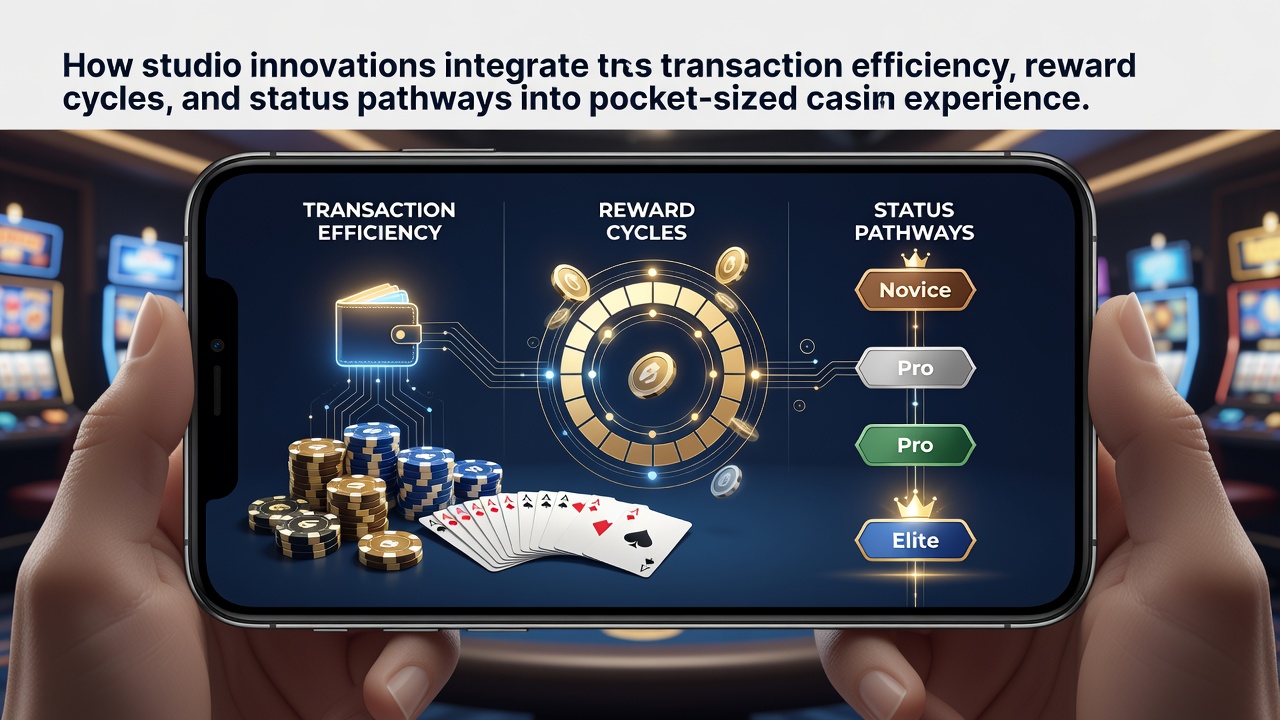
Game development studios have refined techniques that link fast transaction processing with cycling reward structures and tiered player advancement systems inside mobile casino applications, and data from industry reports shows these connections drive measurable engagement patterns across global markets. Observers note that compact formats require streamlined code architectures where deposit confirmations trigger immediate bonus allocations, which in turn feed into visible status meters that advance with each completed cycle.
Payment Processing Foundations in Mobile Environments
Developers employ API integrations that reduce authorization times to under three seconds on average, according to benchmarks compiled by the American Gaming Association. These efficiencies allow reward cycles to activate without interruption, since funds availability directly influences the timing of free spin grants and multiplier applications. Research from the University of Nevada Reno's gaming laboratory indicates that latency reductions correlate with higher session completion rates in August 2026 testing environments across North American and European operators.
Studios layer encryption protocols alongside instant verification tools, which prevents processing delays that previously broke reward momentum. Players encounter fewer confirmation screens because backend systems pre-validate accounts during initial app launches, and this approach keeps transaction efficiency aligned with ongoing reward loops.
Designing Reward Cycles That Sustain Momentum
Reward mechanisms now operate through modular scripts that adjust bonus frequency based on transaction volume and session duration. Data shows these adaptive systems release incremental free spins or cashback increments at intervals calibrated to maintain player progression without overwhelming device resources. Case examples from major providers reveal that cycles incorporate progressive elements where each completed reward unlocks partial status points, creating continuous forward movement rather than isolated events.
Layering Status Pathways Alongside Rewards
Status advancement tracks appear as visual ladders within app interfaces, where accumulated reward activity translates into tier badges and exclusive access privileges. Experts observe that studios synchronize these pathways with transaction logs so that every deposit or withdrawal updates both reward balances and status meters simultaneously. This synchronization relies on shared database fields that track metrics such as total wagered amounts and frequency of completed cycles, ensuring status changes reflect real activity rather than separate tracking systems.
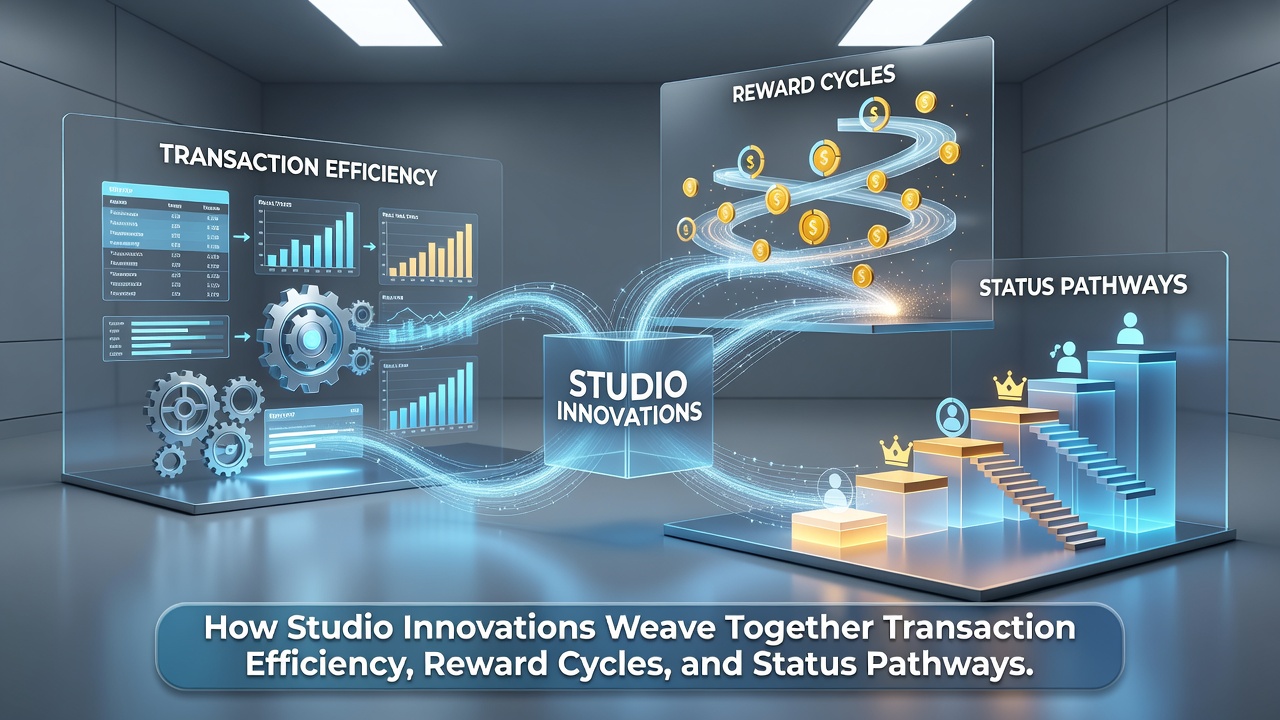
Providers test these integrations through iterative builds released in phased updates, and findings from Canadian regulatory reviews demonstrate that unified tracking reduces discrepancies between reward eligibility and status qualification. August 2026 platform releases incorporated refined algorithms that prioritize mobile data usage efficiency while maintaining real-time updates across all three components.
Technical Weaving of the Three Elements
Integration occurs through event-driven architectures where a successful transaction event broadcasts signals to both reward distribution modules and status calculation engines. Developers use conditional logic that checks transaction confirmation before releasing reward assets, which then increment status counters without requiring additional user input. Research indicates this method minimizes redundant API calls and preserves battery life on pocket devices during extended play sessions.
One documented approach involves embedding status thresholds inside reward cycle definitions, so players crossing certain activity markers receive enhanced bonus multipliers that also accelerate tier advancement. Observers note consistent patterns across studios where these thresholds adjust dynamically based on aggregate player data collected from multiple regions, including Australia and the European Union.
Implementation Patterns Across Providers
Studios document their methods in technical white papers that highlight reusable component libraries for payment-reward-status linkages. These libraries allow rapid deployment across different game titles while preserving core efficiency standards. Figures from industry consortium reports reveal adoption rates exceeding seventy percent among leading mobile-first developers by mid-2026, with particular emphasis on cross-platform compatibility between iOS and Android environments.
Testing protocols include simulated high-volume transaction scenarios that verify reward cycles continue uninterrupted when status pathways trigger tier upgrades. Such verification ensures the interwoven systems remain stable under peak loads without introducing latency that could disrupt player flow.
Conclusion
Studio innovations continue to refine the connections between transaction efficiency, reward cycles, and status pathways through shared data frameworks and event-driven code structures. Available evidence from regulatory and academic sources demonstrates that these integrations produce measurable improvements in session continuity and metric tracking accuracy within pocket-sized casino applications. Ongoing development focuses on further optimization of these linkages to accommodate evolving device capabilities and regional compliance requirements.