21 May 2026
Payment Gateways Fueling Access to Layered Rewards Across Portable Gaming Platforms
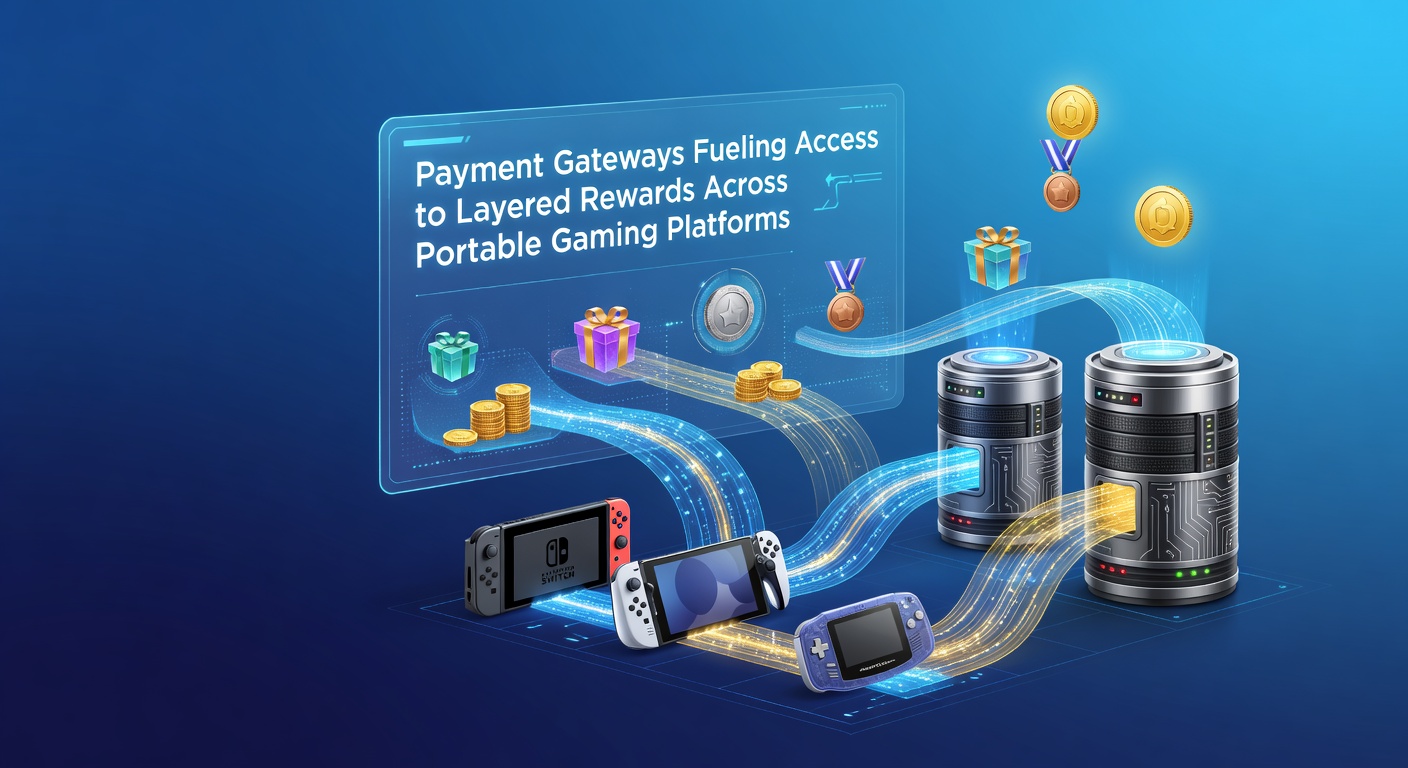
Payment gateways now serve as essential connectors between players and multi-tiered reward structures on portable devices, where instant transaction processing unlocks free spins, progressive jackpots, and loyalty tiers in real time. Systems from providers like Adyen and Worldpay handle the data flows that feed directly into backend loyalty engines, and this integration means mobile users experience reward credits within seconds of completing a deposit rather than waiting through manual approvals.
Core Mechanisms Linking Transactions to Rewards
Modern gateways transmit not just funds but also metadata that gaming platforms use to trigger layered incentives, such as deposit-matching bonuses that scale with player history or progressive contributions that accumulate across thousands of portable sessions. Observers note that API calls between payment processors and game servers allow automatic enrollment into VIP programs the moment a qualifying transaction clears, which eliminates separate registration steps that once slowed participation on smaller screens. Data from industry reports shows transaction success rates above 98 percent for optimized gateways in mobile environments, a figure that directly correlates with higher redemption rates for layered rewards because failed payments no longer interrupt bonus sequences.
Portable platforms benefit particularly because these gateways support diverse local methods including digital wallets and bank transfers popular in regions outside traditional casino markets. Researchers at institutions tracking global gaming patterns have documented how seamless processing expands access to stacked promotions, where one deposit can simultaneously credit a free-spin bundle, advance a progressive meter, and log activity toward elite status. The result appears in player dashboards that update live, displaying remaining requirements for the next reward layer without requiring users to switch between apps or menus.
Regional Developments Shaping Mobile Reward Access
Across North America, state-level frameworks in New Jersey and Pennsylvania have encouraged gateway providers to embed compliance checks that verify player eligibility for specific bonus layers before funds move, reducing friction that previously delayed reward activation. Figures released by the New Jersey Division of Gaming Enforcement indicate mobile transaction volumes grew steadily through early 2026, with many operators attributing part of that rise to gateways that pre-validate reward eligibility during checkout. Similar patterns emerge in Australian markets where regulatory updates emphasized faster reconciliation between payments and loyalty points, allowing portable players to accumulate tier credits across multiple game types in a single session.
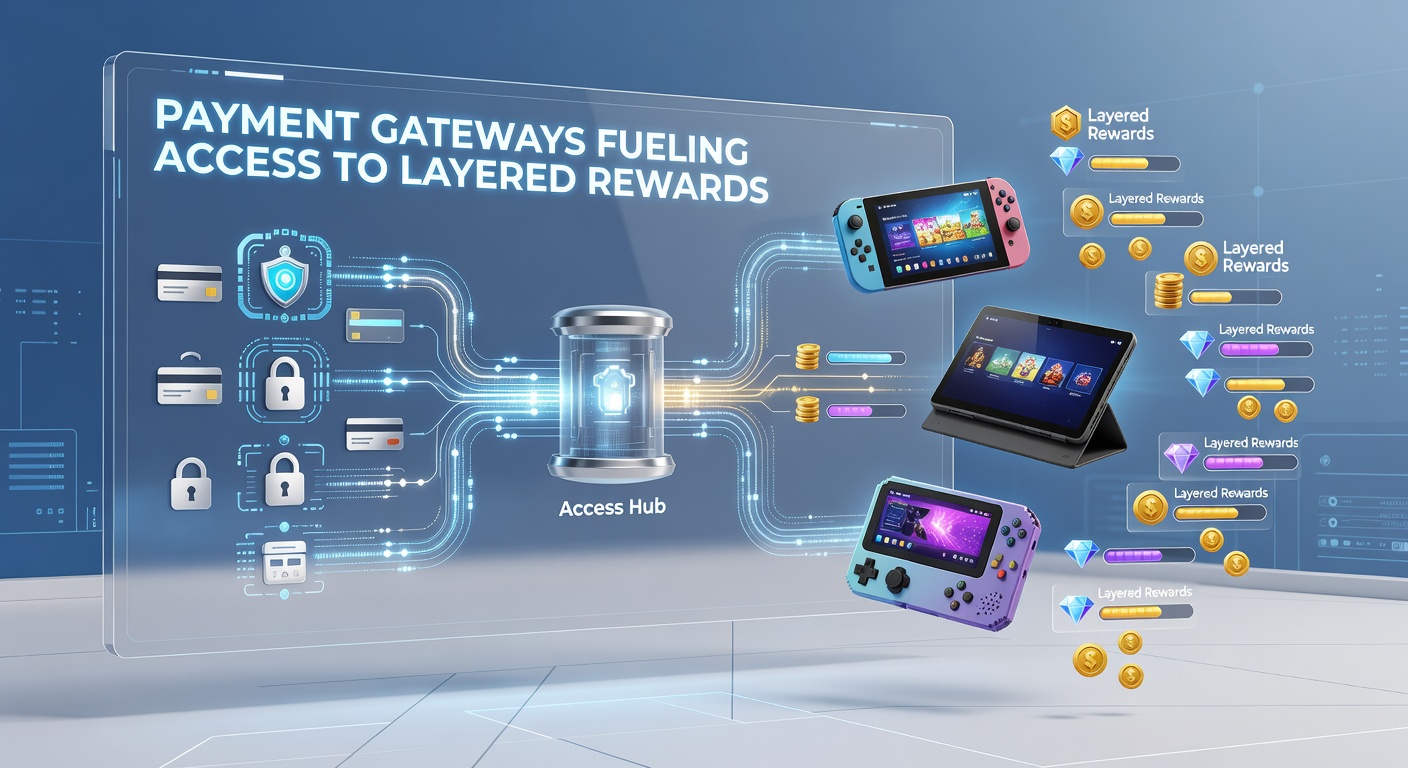
Gateways also incorporate tokenization that protects account details while permitting repeated micro-transactions, a feature that supports the frequent small deposits many portable users prefer when chasing incremental reward layers. This approach keeps sensitive data off gaming servers, yet still routes confirmation signals that increment progress bars for jackpots or unlock the next bonus tier. Industry analyses from organizations such as the European Gaming and Betting Association highlight how such technical safeguards maintain trust, which in turn sustains longer engagement with multi-layered programs that span slots, table games, and live dealer options on the same device.
Technical Advances Driving Layer Integration
Real-time settlement protocols introduced by several gateway firms allow reward engines to credit progressive contributions almost immediately after each spin or hand, creating visible movement toward larger pots that players monitor on portable screens. These protocols rely on standardized data packets that carry both payment status and game-specific identifiers, enabling platforms to stack rewards without manual intervention from operators. In May 2026 several major processors expanded support for instant bank rails in additional territories, a move that further shortened the interval between deposit and reward eligibility for mobile users in those regions.
Case examples from platform operators show that gateways equipped with dynamic routing choose the fastest available rail for each transaction, which prevents reward drops from timing out during peak hours. The same systems log cumulative spend against loyalty thresholds automatically, so players advancing through tiers receive notifications and unlocked content without separate actions. Academic reviews of transaction logs confirm that reduced latency correlates with increased participation in layered promotions, as users remain within the gaming session rather than exiting to resolve payment issues.
Conclusion
Payment gateways have evolved into active participants in reward architecture rather than simple transfer tools, supplying the data streams and speed required for portable gaming platforms to deliver synchronized bonus layers, progressive growth, and tier progression. Continued refinements in processing speed and regional method support sustain this linkage, allowing players to move through reward structures fluidly while operators maintain compliance across jurisdictions. The infrastructure now in place positions these gateways as central nodes in the expanding network of mobile reward systems.