4 Aug 2026
Slot Developers Design Integrated Loyalty Systems Connecting Multiplier Mechanics with Live Table Access and Tiered Benefits
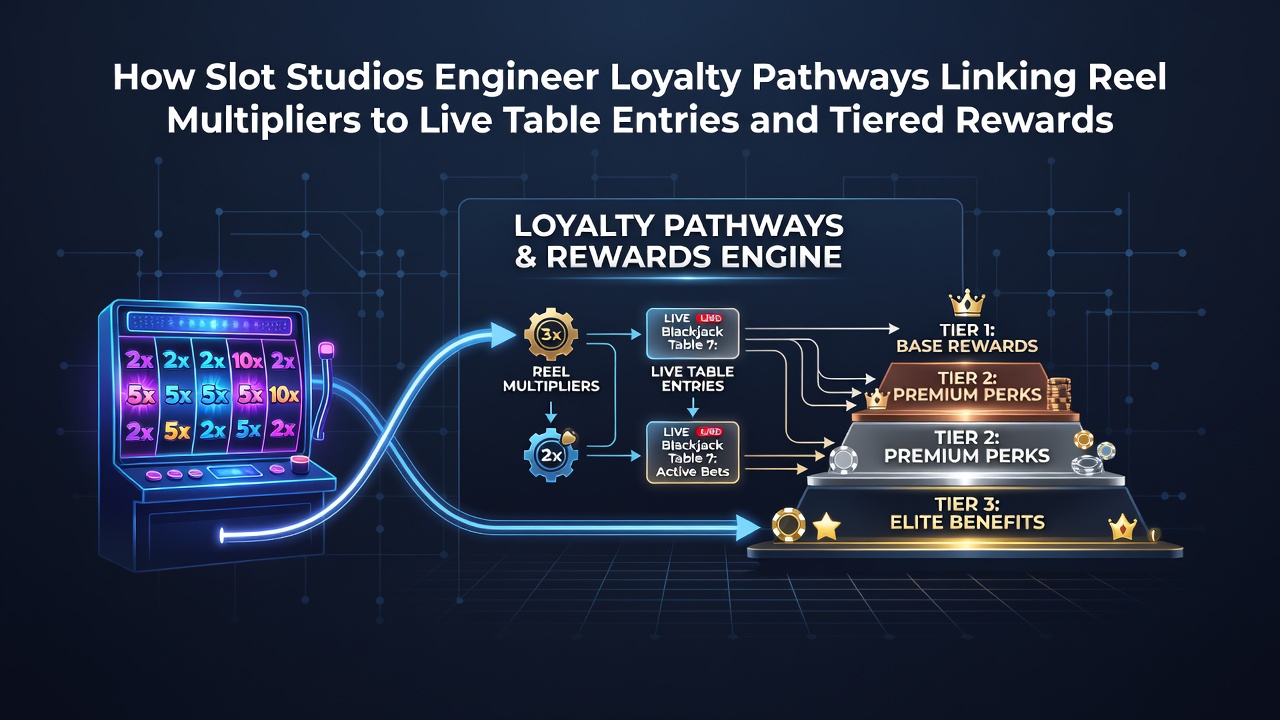
Slot studios have developed technical frameworks that connect reel-based multiplier triggers directly to live table game entries while advancing players through structured reward tiers, and these systems rely on data tracking, API integrations, and compliance protocols that operate across multiple jurisdictions. Game providers implement multiplier events in slots as entry points that accumulate toward live dealer access, whereas tier progression occurs through combined play metrics that include both virtual reel activity and table participation.
Multiplier Triggers as Entry Mechanisms
Developers embed multiplier features within slot engines so that specific outcomes, such as consecutive wild alignments or bonus round activations, generate loyalty points that convert into live table credits, and this linkage uses real-time APIs to push qualifying data from slot servers to live game platforms without requiring separate player actions. Observers note that studios often calibrate these triggers to occur at rates that maintain session flow while feeding into tier calculations, which means a player accumulating a 5x multiplier on a base game might receive an automatic entry token for a live blackjack table once the session threshold clears.
Research from industry reports indicates that such integrations appeared in production environments as early as 2024, yet refinements continued into 2026 with studios adding conditional logic that factors in player location and regulatory limits before releasing the live entry, and August 2026 updates from several European operators highlighted expanded use of these pathways in mobile-first titles.
Tiered Reward Structures and Cross-Game Progression
Tier systems assign levels based on cumulative activity across slots and live tables, so multiplier-driven points from reels contribute to bronze, silver, or gold status while live entries unlock additional multipliers that apply only at higher tiers, and this creates a closed loop where participation in one format accelerates advancement in the other. Data from the Nevada Gaming Control Board shows that operators reporting tiered loyalty metrics in 2025 recorded average increases in cross-product engagement when multipliers fed directly into live table qualifiers.
Technical Implementation Details
Studios rely on centralized player accounts that log every multiplier event alongside live table time stamps, and backend rules engines apply formulas that weight reel activity differently from table play to balance progression speed, whereas front-end interfaces display pending live entries as soon as slot results post to the shared ledger. Those who have examined these architectures describe modular components that allow quick swaps of reward tables when regulators adjust stake limits or bonus structures in specific markets.
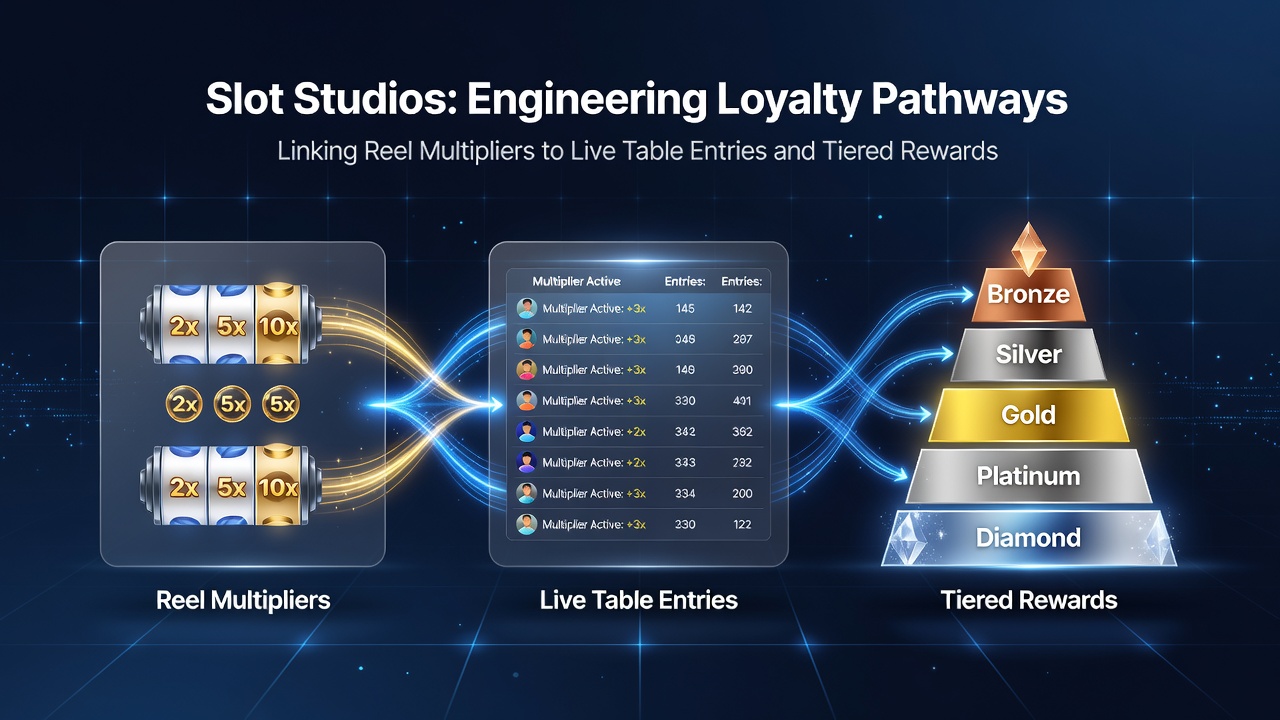
What's interesting is how these pathways incorporate time-based decay, so unused live table entries expire after a set window unless the player maintains tier activity through additional slot sessions, and this mechanism prevents point hoarding while encouraging regular engagement across formats.
Regulatory Considerations Across Regions
Compliance teams at slot studios coordinate with oversight bodies such as the Nevada Gaming Control Board and Australian state regulators to ensure multiplier-to-live linkages do not violate advertising or inducement rules, and these checks occur before new loyalty pathways reach production servers. Figures from the Australian Gambling Research Centre reveal that jurisdictions requiring separate approval for cross-game rewards saw implementation timelines extend by several months compared with less restrictive markets.
Operators in August 2026 reported that updated API documentation from major providers now includes mandatory fields for live entry validation, which reduces the risk of players receiving access to tables without meeting tier minimums, and this documentation covers edge cases such as partial multiplier contributions during network interruptions.
Case Examples from Studio Deployments
One deployment by a European-focused provider linked a progressive multiplier ladder in five-reel slots to weekly live roulette qualifiers, resulting in measurable shifts in player distribution across game types according to internal telemetry shared with partner operators, whereas another North American studio introduced tiered cashback that scales only after players convert reel multipliers into verified live table sessions. Observers tracking these rollouts note that the underlying tracking layers must handle high transaction volumes without introducing latency that disrupts live dealer pacing.
Conclusion
Slot studios continue refining the connections between reel multipliers, live table entries, and tiered rewards through iterative updates that incorporate regulatory feedback and performance data, and these engineering efforts produce loyalty pathways that operate consistently across devices while respecting jurisdictional boundaries. The result is a technical ecosystem where individual game outcomes feed into broader progression systems without requiring players to manage separate accounts or point conversions.