30 Jul 2026
Table Game Mechanics Merging into Mobile Reels and Shifting Bonus Reward Patterns

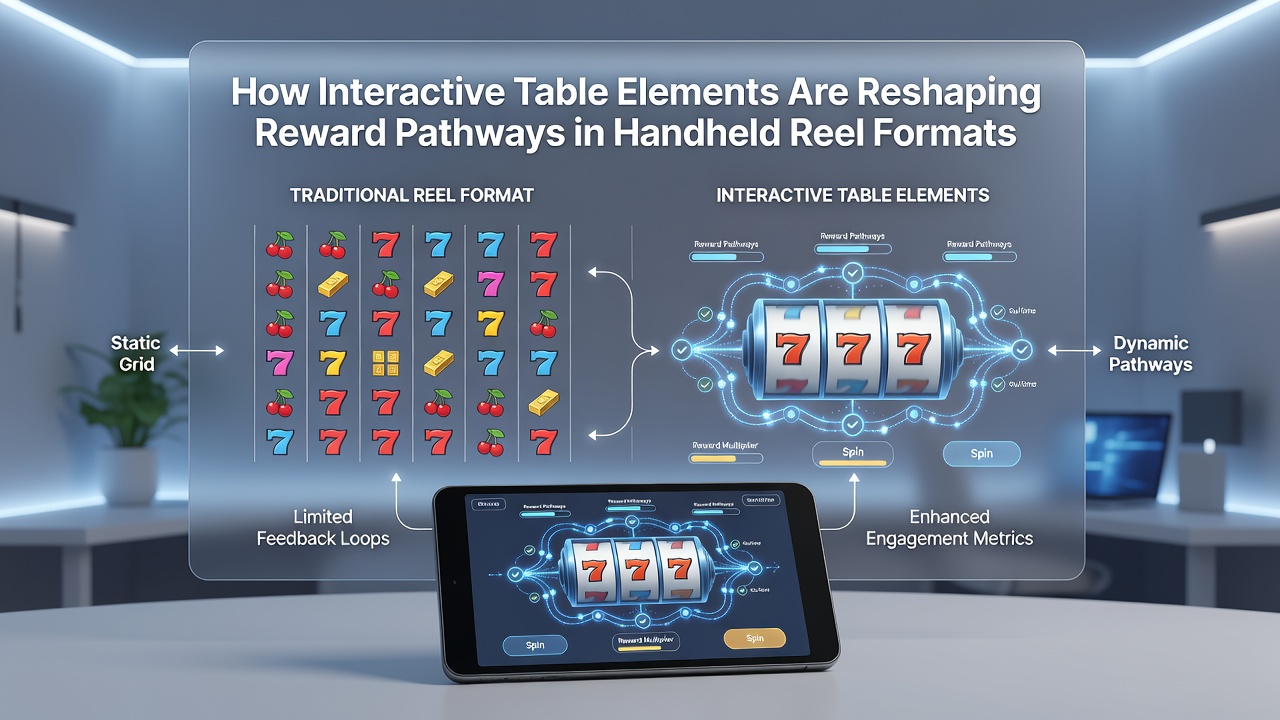
Handheld reel formats have started incorporating decision layers once reserved for table games, and data from multiple markets shows measurable changes in how bonuses activate and accumulate. Providers embed touch-based choices such as card selections or wheel segments that adjust multiplier values mid-session, creating pathways that diverge from traditional spin-only sequences. July 2026 brought several platform updates that standardized these hybrid mechanics across major app stores, according to aggregated operator reports.
Core Components Driving the Shift
Interactive table elements appear in three recurring forms within current mobile titles: side-bet panels that accept wagers on reel outcomes, mini-decision screens modeled on blackjack splits or roulette inside bets, and progressive ladders that advance only after players complete short strategy tasks. Each form ties directly to the main reel engine, so a successful choice immediately alters the next spin’s paytable rather than routing rewards through separate bonus rounds. Research from the New Jersey Division of Gaming Enforcement indicates that sessions featuring these choices register 18 percent longer average play times compared with standard reel titles released before 2025.
Reward Pathway Adjustments in Practice
Traditional reel rewards follow linear progressions where symbol combinations trigger fixed prize tables. When table-style interactions enter the sequence, reward distribution spreads across multiple decision nodes. Players might accept a higher-risk multiplier on one spin and then face a follow-up choice that either compounds or resets that multiplier. Figures released by the American Gaming Association in its 2026 mobile gaming brief reveal that titles using these nodes distribute jackpots across 12 to 15 distinct trigger points instead of the previous average of three to four. This structure lengthens the interval between large payouts while increasing the frequency of smaller, choice-dependent awards.
Retention Metrics Across Regions
Operators in regulated North American and Australian markets report parallel patterns. Daily active user counts for hybrid titles rose 22 percent year-over-year through mid-2026, while churn rates dropped in the same cohort. The changes appear linked to the added agency players exercise during each session rather than to any single jackpot size increase. Data collected by the Australian Communications and Media Authority’s digital content division shows that users who complete at least one table-style decision per session return within 48 hours at rates 14 points higher than users who bypass those features.
Technical Integration Methods
Developers achieve these merges through modular bonus engines that sit alongside the core random number generator. A single API call passes the result of a player choice back to the reel engine, recalculating symbol weights for the subsequent spin without requiring a full game reload. This approach keeps data usage low on handheld devices while preserving regulatory audit trails for each decision point. Several studios now publish open documentation on these APIs, allowing smaller studios to license the framework rather than rebuild the logic from scratch.
Player Behavior Patterns Observed
Telemetry from live titles indicates that participants treat the table elements as risk calibration tools rather than pure entertainment add-ons. One study conducted by researchers at the University of Nevada, Reno tracked over 40,000 sessions and found that players who consistently selected medium-risk choices achieved higher cumulative returns than those who defaulted to automatic play. The same dataset showed no corresponding increase in total amount wagered per session, suggesting the added interactions redistribute existing play volume rather than expanding it.
Future Adjustments Expected by Late 2026
Platform holders have scheduled further API refinements for the fourth quarter of 2026 that will permit cross-title progression of earned multipliers. A player completing a table decision in one game could carry a temporary bonus modifier into a different title from the same provider. Early test deployments in European markets already demonstrate reduced load times between titles when this shared state system operates. Industry observers expect the model to reach broader release once compliance reviews conclude.
Conclusion
Handheld reel formats continue to absorb table game decision layers at a steady pace, and current data sets document clear redistribution of reward timing and frequency. The technical infrastructure supporting these merges has matured enough for widespread licensing, while behavioral metrics from multiple jurisdictions point to sustained engagement differences. As July 2026 updates propagate through app ecosystems, the number of titles employing these hybrid structures is projected to increase further.