30 May 2026
Tracing Integration Routes in Slot Platforms: From Quick Transactions to Tiered Benefits and Interactive Tables
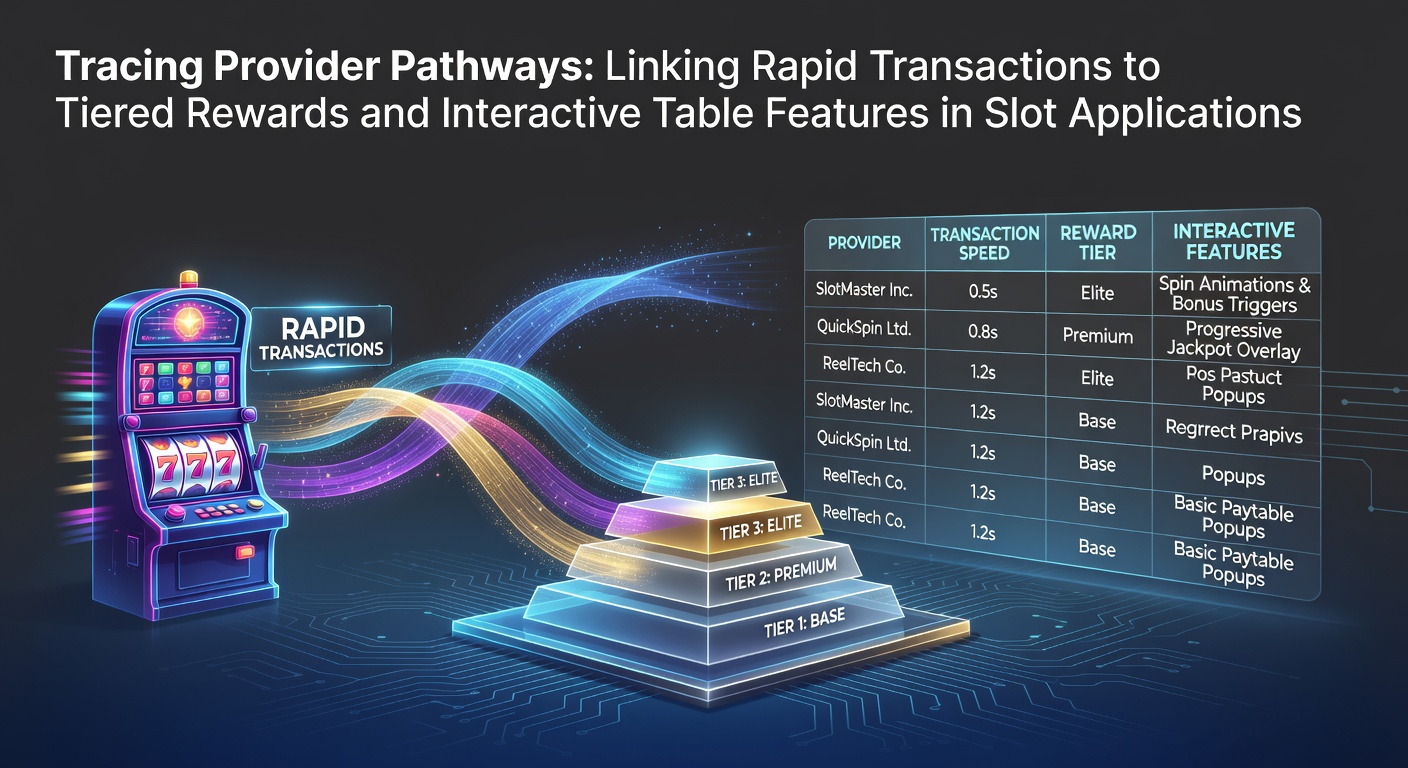
Game providers build pathways that connect rapid transaction systems directly to tiered reward structures and interactive table elements within slot applications, and these connections rely on shared databases along with API frameworks that update user profiles in real time. Developers often start by establishing secure payment gateways that process deposits and withdrawals in seconds, then they feed those transaction records into loyalty engines that adjust player status levels automatically.
Payment Systems as Entry Points
Transaction speed forms the foundation because slot applications require immediate confirmation to unlock subsequent features, and providers integrate processors that handle multiple currencies while maintaining compliance with regional standards such as those outlined by the Nevada Gaming Control Board. Once a payment clears, the system triggers scripts that check eligibility for reward tiers, and this process happens without separate login steps because single sign-on protocols share authentication data across modules.
Studies from the Canadian Gaming Association indicate that platforms using unified ledgers reduce processing delays by up to forty percent compared with older segmented architectures, and developers continue to refine these ledgers to support higher volumes during peak hours. Data shows that faster confirmation times correlate with increased session lengths, yet the same records also populate the criteria for advancing through reward levels that grant access to exclusive table variants.
Reward Tiers and Their Technical Links
Tiered rewards operate through progressive qualification rules that track metrics including deposit frequency, wager volume, and game variety, and providers embed these rules into the same backend that manages transaction logs. When a player reaches a new tier, the application unlocks interactive table options such as live dealer blackjack or roulette streams that sync with slot progressions, and this synchronization occurs because metadata tags travel alongside each transaction record.
One implementation approach involves middleware layers that translate payment events into loyalty points, after which conditional logic routes the updated profile to table servers for immediate feature activation. Observers note that this method avoids redundant queries and keeps latency low even when thousands of concurrent sessions occur, while figures from industry reports confirm that integrated systems maintain sub-second response rates across mobile networks.
Interactive Table Features Within Slot Ecosystems
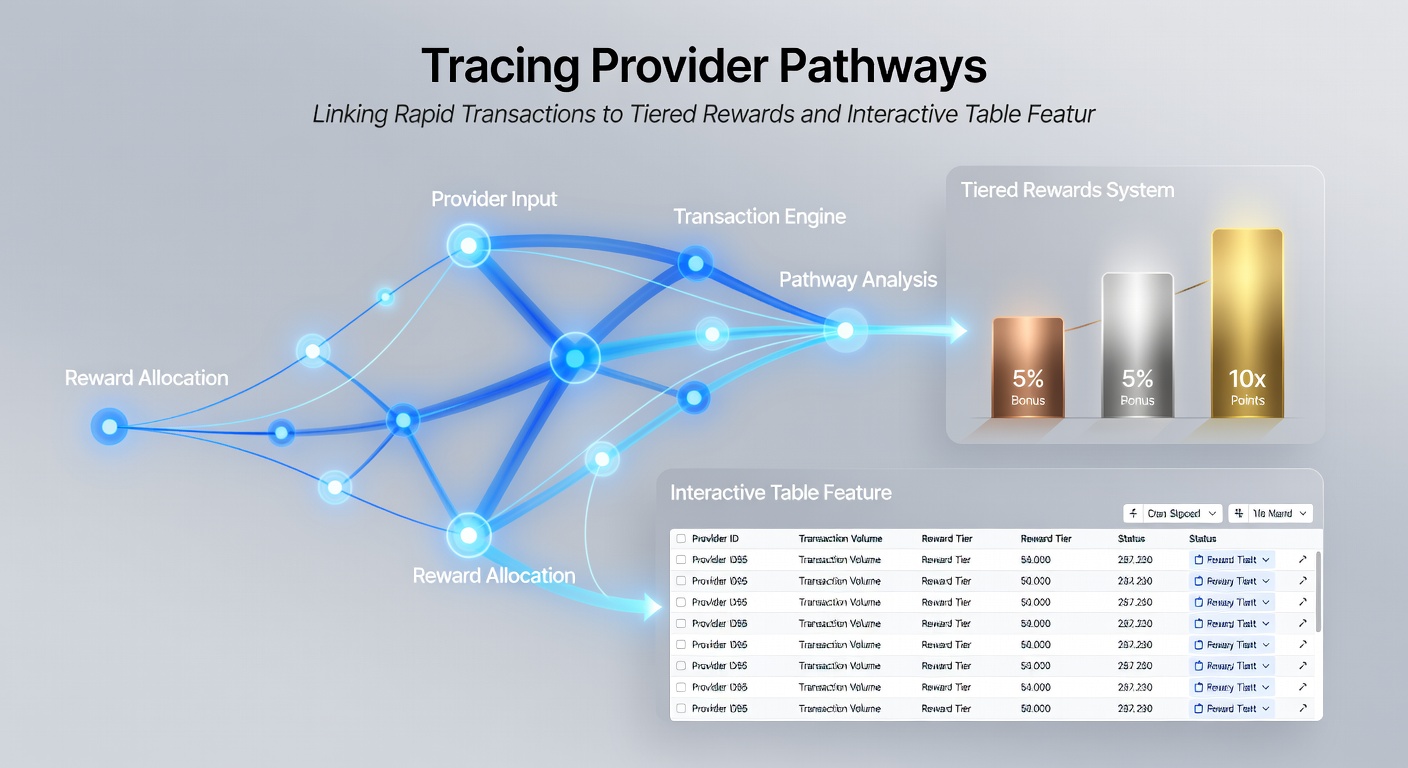
Interactive tables appear inside slot applications as embedded modules that share the same account balance and reward balance as the reel games, and providers achieve this by using microservice designs that communicate through event buses. A deposit processed in the slot section immediately reflects in the table section because both modules subscribe to the same transaction stream, and tier status determines which table variants become selectable without additional verification.
Research conducted at the University of Nevada, Reno, examined data flows in hybrid environments and found that unified event handling reduced synchronization errors by more than half when compared with separate platform builds. Developers therefore prioritize consistent data schemas that allow reward tiers earned through slot play to grant table-specific perks such as higher betting limits or faster dealer responses, and these perks activate automatically once the qualifying transaction posts.
Implementation Patterns Across Providers
Multiple studios follow similar patterns when constructing these pathways, starting with core payment rails and extending outward to loyalty and table services, yet each provider customizes the order of integration steps based on existing infrastructure. Some begin by upgrading withdrawal modules to instant status, then they map those improvements onto tier advancement algorithms, whereas others first expand table offerings and later retrofit transaction speed to support the new features.
Case examples from European operators reveal that phased rollouts, completed between 2024 and 2025, allowed testing of tier-to-table linkages before full deployment, and results indicated stable performance under regulatory scrutiny from bodies outside the United Kingdom. By May 2026 several platforms plan further enhancements that will tie additional transaction types, such as in-app purchases, directly into the same reward and table ecosystems, thereby expanding the range of activities that contribute to tier progression.
Data Flow and Security Considerations
Security protocols travel alongside every data exchange because rapid transactions and tier updates involve sensitive financial and behavioral information, and providers apply encryption plus tokenization at each hop between payment, loyalty, and table servers. Audit trails capture the sequence of events from deposit to reward unlock to table access, which supports compliance reporting required by various international gaming authorities.
What's interesting is how these trails also enable analytics teams to identify usage patterns that inform future feature adjustments, and aggregated findings help refine the conditions under which tier benefits unlock specific interactive elements. The connections remain invisible to end users who simply experience seamless movement between slot reels and live tables once their account reaches the appropriate reward level.
Conclusion
Providers continue to refine the routes that link rapid transactions with tiered rewards and interactive table features because the underlying architecture determines both operational efficiency and player retention metrics. The integration relies on shared data structures, real-time event handling, and consistent security measures that together create functional pathways across slot applications, and ongoing adjustments keep these systems aligned with evolving technical and regulatory environments.