UK Launches Consultation on Gambling Commission Fee Hikes to Chase Full Cost Recovery as Industry Yields Surge
25 Mar 2026
UK Launches Consultation on Gambling Commission Fee Hikes to Chase Full Cost Recovery as Industry Yields Surge

The Push for Fee Reforms Amid Skyrocketing Revenues
Recent moves by the UK government spotlight a public consultation on overhauling Gambling Commission fees, aimed squarely at achieving full cost recovery while tackling persistent budget shortfalls; this comes as the industry's gross gambling yield climbs steadily from £9.1 billion in 2020/21 to a projected £13.4 billion by 2024/25, according to official figures.
What's driving this? Observers note that the Gambling Commission, tasked with regulating a booming sector, faces funding gaps despite revenue explosions; data from the Industry Statistics Annual Report underscores how gross gambling yield—essentially the net win for operators after payouts—has fueled expansion, yet commission costs haven't kept pace.
And so the consultation, launched via the Department for Culture, Media and Sport, lays out proposals to realign fees with actual regulatory burdens; it's not just about plugging holes, but ensuring the framework matches the industry's scale, especially with online and land-based operations pulling in record sums.
Key Proposals Breaking Down the Changes
At the heart of these reforms sit targeted adjustments, starting with harmonising fees for Non-remote Casino licences under the 1968 Act and the Gambling Act 2005; this step follows upcoming July 2025 legislation on premises entitlements, smoothing out discrepancies that have lingered for years.
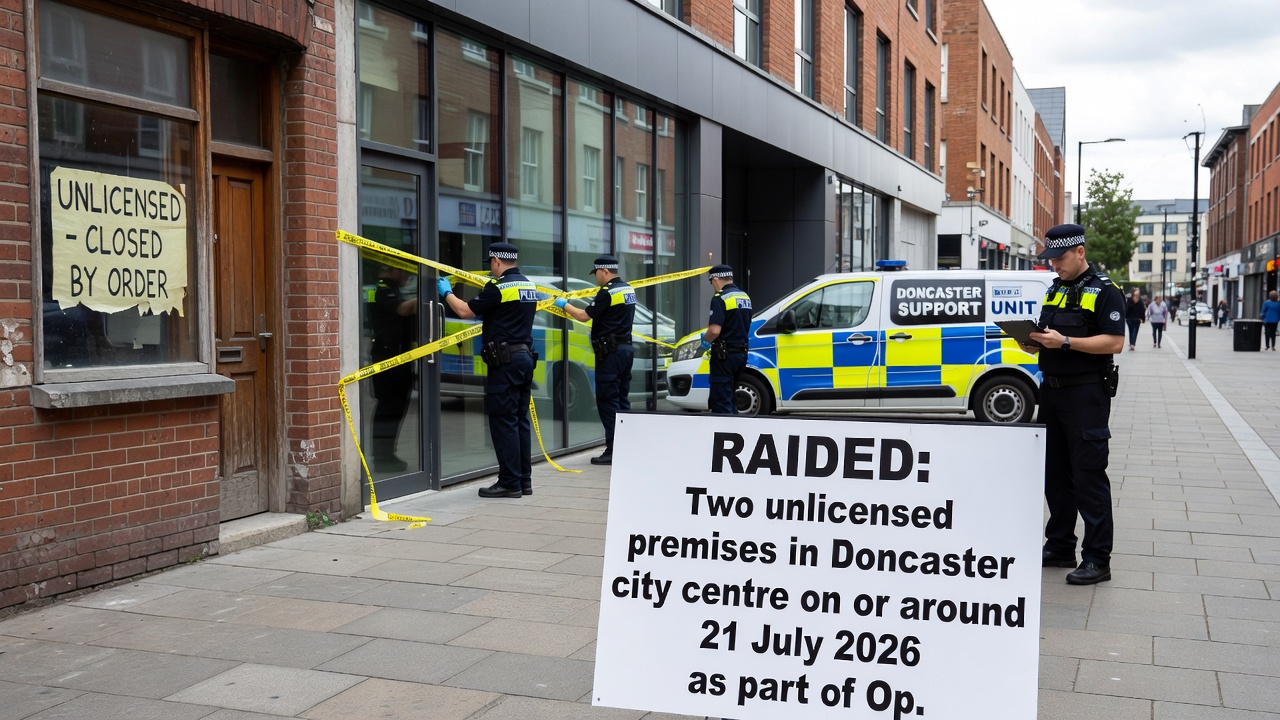
Overall, fee increases range from 20% to 30% across three options, with Option 3 emerging as the frontrunner: a baseline 20% hike coupled with an additional 10% ringfenced specifically for combating illegal markets; such a structure, proponents argue in the consultation document, balances general recovery needs against pressing threats like unlicensed operations siphoning players.
But here's the thing—calculations get refined too, shifting toward market-share-based models weighted by risk factors; operators with larger slices of the gross gambling yield pie, particularly in high-risk segments, would shoulder more, reflecting the commission's resource allocation.
Harmonised category bands further streamline this, grouping similar activities under consistent fee tiers; take non-remote casinos, for instance, where legacy differences between acts created uneven playing fields, now set for unification that experts predict will simplify compliance.
How Market-Share and Risk Weighting Reshape the Landscape
Diving deeper, the proposed market-share formula draws directly from gross gambling yield data, apportioning fees proportionally while layering in risk assessments; this means bigger players in volatile areas like online slots or sports betting might see steeper rises, although caps and bands prevent runaway escalations.
Turns out, this approach builds on existing triennial reviews, but amps up granularity; for example, categories like remote betting or bingo get recalibrated bands, ensuring fees track both volume and vulnerability to issues such as problem gambling or money laundering.
People in the industry who've pored over the details often point out how this mirrors broader trends, where regulators worldwide tie costs to scale; in the UK context, with yields ballooning amid post-pandemic digital shifts, such weighting makes sense on paper, tying revenue booms directly to oversight demands.
Yet the consultation stresses flexibility, inviting feedback on whether risk weights adequately capture nuances across sectors; responses could tweak these before finalisation, a process that underscores the government's commitment to evidence-based tweaks.
Timeline and Path to Implementation
Secondary legislation paves the way for these changes, targeting an effective date of 1 October 2026; that gives operators over a year to adjust, aligning with other regulatory milestones like LCCP updates rolling out in phases through 2026.
Now, March 2026 looms as a checkpoint, potentially marking analysis of consultation responses alongside fresh statistics on industry performance; by then, yield figures for 2025/26 could validate or challenge the projected £13.4 billion mark, influencing any last-minute calibrations.
The consultation period itself runs for set weeks, gathering input from operators, trade bodies, and consumer groups; once collated, ministers will refine via statutory instruments, a tried-and-true route for gambling rules that bypasses full parliamentary debate.
Operators often find this timeline familiar, echoing past fee uplifts tied to inflation or scope expansions; still, the 20-30% bracket stands out, especially with ringfencing adding a dedicated illegal markets levy that could fund enhanced enforcement tech or international partnerships.
Context of Rising Yields Fueling the Debate
Gross gambling yield's trajectory tells its own story, jumping from £9.1 billion amid 2020/21 lockdowns—when online surged—to £13.4 billion forecasts by 2024/25; land-based venues clawed back post-restrictions, but remote operations dominate, per Gambling Commission breakdowns.
So why fees now? Budget deficits at the commission stem from expanded duties, including affordability checks and financial vulnerability assessments rolled out recently; these layer atop core licensing, inspections, and enforcement, straining a model partly funded by application fees and levies.
It's noteworthy that full cost recovery has been a goal since earlier reviews, yet shortfalls persist; Option 3's hybrid—20% general plus 10% targeted—addresses both, potentially generating millions extra without blanket hikes that smaller operators decry.
Take one case from recent years: triennial fee sets in 2023 already nudged increases, but falling short of full recovery; this consultation, observers note, closes that loop, leveraging yield growth to sustain a regulator stretched thin by a £13 billion-plus market.
Stakeholder Reactions and Broader Implications
Trade associations like the Betting and Gaming Council have flagged the proposals early, urging balanced rises that don't stifle competition; meanwhile, consumer advocates push for ringfenced funds to bolster player protections over mere administration.
And while fees climb, the harmonisation for casinos resolves a quirk from pre-2005 laws, where 1968 Act holders paid differently despite similar ops; July 2025's premises law sets the stage, making fee parity a logical next step by October 2026.
What's interesting here is the risk-weighted pivot, which could reward cleaner operators with lower effective rates; market share from yield data provides the base, but deductions for strong compliance records emerge as a carrot in the mix.
Those who've studied past consultations know feedback shapes outcomes—think 2020's remote fee tweaks born from industry pushback; this round, open till specified deadlines, could similarly fine-tune, ensuring changes stick without court challenges.
Wrapping Up the Fee Consultation Picture
In sum, the UK government's consultation on Gambling Commission fees zeroes in on full cost recovery through 20-30% increases, harmonised structures, and risk-adjusted market-share models, all propelled by gross gambling yield's rise to £13.4 billion; effective October 2026 via secondary legislation, these shifts promise to realign funding with a sector's explosive growth, while March 2026 data points could add final clarity.
Operators gear up for responses, balancing costs against a thriving market; the ball's now in stakeholders' court, with outcomes set to define regulatory finances for years ahead, much like yield surges have redefined the industry's footprint.